Landscape Maintenance and Pruning Tips for Stronger Growth

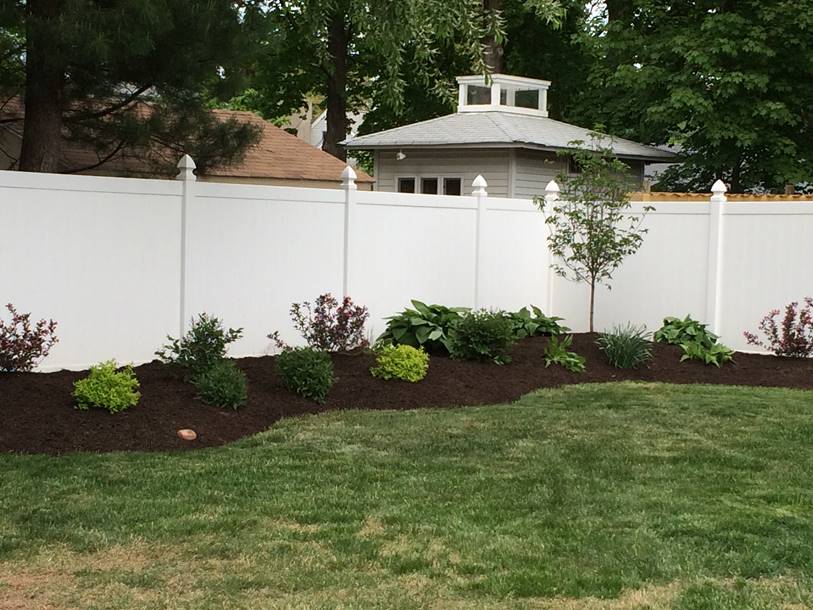
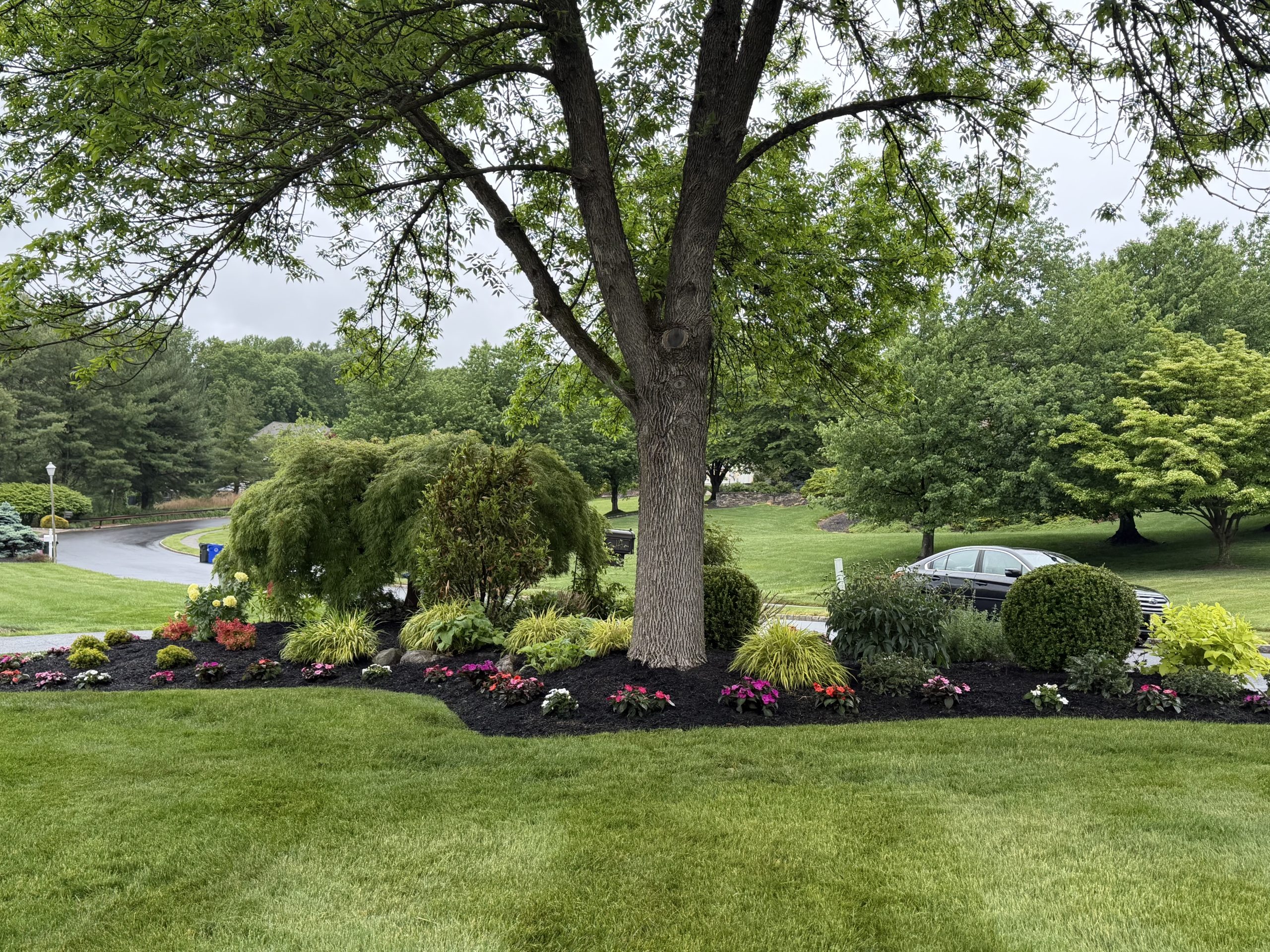
A healthy landscape rarely happens by accident. It is shaped over time by timing, restraint, observation, and a willingness to work with the natural habits of plants instead of fighting them. Good pruning and steady landscape maintenance do more than keep a property neat. They improve structure, reduce disease pressure, encourage flowering and fruiting in the right plants, and help roots, stems, and foliage develop with real strength.
That last point matters more than many people realize. A shrub can look full for a season and still be structurally weak. A young tree can grow fast and still be headed toward future failure because of a poor branch union or a neglected central leader. A perennial bed can bloom generously in spring, then decline by midsummer because soil moisture, airflow, and cleanup were ignored. Stronger growth is not just about more growth. It is about balanced growth, where the plant can support itself, recover from weather stress, and keep performing year after year.
Most of the costly problems I see in established landscapes trace back to one of two issues. Either plants were left alone too long, or they were cut at the wrong time and in the wrong way. Both are common. Both are fixable.
Strong growth starts with understanding plant habits
Before any pruning cut is made, it helps to know how the plant wants to grow. This sounds obvious, but it is the step people skip most often. They see size as the problem, so they reach for shears. In reality, size may be a symptom. The real issue may be the wrong plant in the wrong place, insufficient light, compacted soil, or a shrub that naturally wants a loose, arching form but is being forced into a rigid shape.
Plants do not all respond to pruning in the same way. A boxwood can tolerate repeated shaping. A lilac needs a different approach if you want flowers next year. A crape myrtle can be ruined aesthetically and structurally by heavy topping, even though it will usually survive. A young maple benefits more from selective structural pruning than broad reduction cuts. Once you understand growth habit, pruning becomes less about controlling a plant and more about guiding it.
This is where thoughtful landscape maintenance pays off. Weekly observation often reveals what annual cleanup misses. You notice where water lingers after rain, which branch is rubbing, which hydrangea is flopping because it has too much nitrogen, or where mulch has crept too high against the base of a tree. Small corrections made early protect vigor better than dramatic fixes later.
The real purpose of pruning
Pruning has several valid goals, and they are not always aesthetic. Sometimes the best-looking landscape is not the healthiest one. Good pruning usually aims to do one or more of the following: remove dead or damaged wood, improve structure, increase light and airflow, manage scale, renew old growth, or direct energy where it matters most.
That means every cut should have a reason. Random thinning weakens the visual form. Over-shearing creates dense outer growth that blocks sunlight from the interior. Excessive reduction pushes out fast, tender shoots that are more vulnerable to heat stress, breakage, and some pests. I have seen foundation shrubs cut into tight green boxes every few weeks through summer, only to become bare and twiggy inside. From the sidewalk they looked tidy. Up close they were declining.
A cleaner principle is this: prune less often, but prune with more intent.
Timing matters more than force
One of the most useful rules in pruning is to match timing to the plant’s flowering and growth cycle. This is not garden folklore. It directly affects bud formation, recovery speed, and seasonal appearance.
Spring-flowering shrubs such as lilac, forsythia, and many old-fashioned spireas generally bloom on wood formed the previous year. If they are heavily pruned in late winter or early spring, the flower show will be disappointing. These plants are best pruned soon after flowering, when there is still time to set buds for next season.
Many summer-flowering shrubs, by contrast, bloom on current season growth. Panicle hydrangeas and some roses are examples. These usually respond well to pruning during dormancy or very early spring before active growth begins. The cuts stimulate fresh shoots, and those new stems carry the season’s flowers.
Trees have their own timing considerations. Dead, broken, or hazardous limbs can be removed whenever necessary. Structural pruning on young shade trees is often easiest during dormancy, when branching patterns are visible. Some species, such as maples and birches, may bleed sap if pruned in late winter. That looks dramatic but is rarely harmful. Disease concerns matter more. Oaks, for instance, are often best pruned during lower-risk periods in regions where oak wilt is a concern.
Perennials also respond to timing, though people often treat them as simple cutback material. Some should be deadheaded to extend bloom. Others benefit from being left standing through winter because seed heads feed birds and stems protect the crown. Landscape maintenance is stronger when timing serves both plant health and the broader garden ecology.
How proper cuts build stronger plants
A good cut is small, clean, and placed where the plant can respond well. A bad cut lingers. It tears bark, leaves a long stub, removes too much leaf area at once, or forces the plant into a weak flush of regrowth.
For woody plants, cuts should usually be made just above a healthy bud, lateral branch, or outside the branch collar on limb removals. The branch collar is the slightly swollen area where a branch joins a larger stem or trunk. Cutting flush against the trunk removes tissue the tree uses to compartmentalize the wound. Leaving a long stub is not much better, because the stub dies back and can invite decay.
Selective thinning usually produces stronger long-term results than repeated shearing. When you remove an entire branch back to its point of origin, you open the plant naturally and preserve its form. Light reaches the interior, air circulates more freely, and new growth develops where the plant can support it. Shearing has its place for formal hedges, but even hedges need periodic thinning cuts to keep them from becoming woody shells.
With young trees, structural pruning is one of the highest-value tasks in the landscape. Correcting competing leaders, narrow branch angles, and poorly spaced scaffold limbs when a tree is young is far easier than trying to solve those issues when the canopy is twenty feet wide. A half-hour spent on a five-year-old tree can prevent storm damage, bark inclusion, and expensive removals later.
What stronger growth actually looks like
It is easy to confuse lush growth with healthy growth. Plants overfed with nitrogen often produce long, soft shoots and oversized leaves. That can look impressive for a few weeks, but it is not always durable. Stronger growth tends to be balanced. Internodes are not excessively stretched. Branch spacing is sound. Foliage color is appropriate to the species. New wood matures properly before winter. The plant holds its shape without constant correction.
In practical terms, stronger growth means a shrub that flowers without splitting open under its own weight, a tree canopy that can handle wind, and perennial clumps that return denser instead of thinner. You can often tell when pruning and maintenance are helping because the plant starts requiring less rescue work. It settles into a stable rhythm.
The link between pruning and routine landscape maintenance
Pruning never works in isolation. It is https://brookswvzh528.quantlynix.com/posts/landscape-maintenance-for-better-first-impressions-at-your-business one part of a larger maintenance picture that includes watering, mulching, soil care, sanitation, and monitoring. If any one of those is badly handled, pruning results will be limited.
Take watering. After pruning, plants need enough moisture to support recovery, but not constant saturation. Deep, infrequent watering is usually better than frequent shallow sprinkling, especially for trees and shrubs. Shallow watering encourages surface roots, which makes plants less resilient during heat and dry periods.
Mulch is similar. Proper mulch conserves moisture, moderates soil temperature, and suppresses weeds. Too much mulch piled against trunks and stems traps moisture, encourages rot, and can create pest habitat. I often find young ornamental trees declining under what should have been helpful care, simply because the mulch has been built up into a mound around the trunk. Pulling that mulch back to expose the root flare can make a visible difference over time.
Sanitation also matters more than many homeowners expect. Fallen diseased leaves, blighted twigs, and matted debris can hold fungal spores and insect populations in place. Cleaning up around susceptible plants is one of the least glamorous parts of landscape maintenance, but it often has a direct effect on next season’s health.
When to hold back
One of the marks of experience is knowing when not to prune. It is tempting to keep cutting until the plant looks instantly improved, but restraint protects vigor.
Freshly planted trees and shrubs should not be heavily pruned unless there is dead, broken, or badly crossing wood to remove. New plants need foliage to fuel root establishment. Stripping them down for shape often slows establishment instead of helping it.
Plants under stress should also be approached carefully. Drought-stressed evergreens, shrubs recovering from winter injury, or trees coping with root disturbance may not respond well to major cuts. Sometimes the right move is to stabilize water, improve soil conditions, and wait for signs of recovery before shaping further.
There is also the issue of heat. Heavy pruning during intense summer weather can expose bark and inner foliage to sunscald. In warm climates or during severe heat waves, even well-intentioned work can cause secondary damage if too much canopy is removed at once.
Common pruning mistakes that weaken plants
Most pruning errors come from speed, not malice. People are trying to get the work done, often with a single tool and a broad idea of the finished shape. The damage tends to show up months or years later.
- Topping trees, which destroys natural structure and triggers weakly attached regrowth
- Shearing flowering shrubs into tight forms regardless of bloom habit
- Leaving stubs or making flush cuts that interfere with proper wound response
- Removing too much live growth at one time, especially in summer or during drought
- Ignoring tool cleanliness when moving between diseased and healthy plants
Topping deserves special mention because it remains surprisingly common. It feels decisive, especially on overgrown trees, but it creates large wounds and stimulates a spray of fast, poorly attached shoots. Those shoots can become hazardous as they lengthen. The tree often ends up larger, uglier, and more expensive to manage than before.
Tools, sharpness, and clean work
Tools affect plant health more than most people think. Sharp bypass pruners make cleaner cuts than dull blades or anvil-style tools used on live stems. Loppers are useful for thicker branches, but if you have to strain, the branch is probably large enough for a pruning saw. Chainsaws have their place, but they are not a substitute for judgment.
Cleanliness matters most when disease is present or suspected. If you are removing fire blight from pears or apples, or cutting out cankered stems on vulnerable shrubs, disinfecting tools between cuts can help reduce spread. In ordinary pruning on healthy plants, constant sterilizing is not always necessary, but starting with clean tools is good practice.
There is also a comfort and safety component. Good gloves, stable footing, and proper hand positioning prevent rushed cuts. Many poor cuts happen because the person is overreaching or twisting awkwardly. On ladders, caution should rise dramatically. If a branch requires climbing, rigging, or cutting overhead near power lines, that is professional work.
Renewal pruning for overgrown shrubs
Not every neglected shrub needs to be removed. Many can be restored through renewal pruning, which is slower than hacking them back all at once but far kinder to the plant.
With multi-stemmed shrubs such as lilac, forsythia, viburnum, and some dogwoods, the goal is often to remove the oldest, thickest stems at the base over a period of years. This encourages vigorous new canes from below while preserving enough top growth to keep the plant functioning and attractive. The result is a younger, more floriferous shrub with better airflow and a more natural form.
I have seen mature lilacs that had not been thinned in a decade produce flowers only on the outer shell. After two seasons of careful renewal, bloom returned lower on the plant and mildew pressure dropped noticeably because the center opened up. It did not happen overnight, but the long-term result was better than any severe one-time reduction would have been.
For evergreen shrubs, patience matters even more. Some old wood does not break bud reliably. If you cut beyond green growth on certain conifers, recovery may be poor or nonexistent. That is why species knowledge is essential before restoration work begins.
Seasonal priorities that support pruning results
The calendar shapes good landscape maintenance, but the work should follow the plants and weather, not arbitrary dates. A cool spring runs differently from an early hot one. A wet season changes disease pressure. A dry autumn changes how aggressively you can prune.
- Late winter to early spring is often best for structural pruning, dormant cleanup, and evaluating branch architecture before leaves emerge
- After spring bloom is the right window for many shrubs that flower on old wood
- Summer is suited to light corrective pruning, deadwood removal, and observation, not drastic reshaping during heat
- Autumn is useful for sanitation, selective reductions where appropriate, and preparing plants for winter without forcing tender new growth
- Winter reveals form clearly and is a strong planning season for larger maintenance decisions
That last point deserves emphasis. Winter is underrated. Without foliage, you can really see what a tree or shrub is doing. You spot codominant stems, poor spacing, crossing branches, and old cuts that were never corrected. Planning during dormancy often leads to better work later because you are reacting less and seeing more.
Perennials, grasses, and groundcovers need judgment too
Pruning conversations tend to focus on trees and shrubs, but herbaceous plants also benefit from skilled maintenance. Perennials that are pinched early can branch better and bloom more heavily. Others become top-heavy if left untouched, especially in fertile soil. The old Chelsea chop, done on selected perennials in late spring, is a good example of pruning for stronger form rather than just shorter height.
Ornamental grasses should generally be cut back before new growth pushes too far in spring. Wait too long, and cleanup becomes tedious because fresh blades thread through the old foliage. Groundcovers need a different eye. Sometimes the best maintenance is thinning edges and relieving congestion so air and light can reach the crown. Dense mats may look good from a distance while hiding fungal problems underneath.
Fertility, soil, and the growth response
After pruning, people often reach for fertilizer as if cuts create a feeding emergency. Usually they do not. If the soil is reasonably healthy and the plant is appropriate for the site, aggressive fertilization is unnecessary and can backfire.
What plants need more often is better root-zone care. Compacted soil, chronic overwatering, and shallow irrigation do more harm than modest nutrient deficiencies in many residential landscapes. Compost, leaf mulch, and improved watering habits support sustained growth better than high-analysis quick fixes. If a plant repeatedly responds poorly despite correct pruning, the issue may be below ground.
I once worked on a row of hollies that had been pruned carefully every year yet still looked thin and off-color. The culprit was not the pruning. It was chronic root stress from construction compaction and irrigation overspray from a nearby lawn zone. Once watering was adjusted and the root area mulched properly, the plants began to fill in with far less top work.
Knowing when replacement is smarter than pruning
There are situations where pruning is not the answer. A shrub that needs cutting back three times each season because it has outgrown the space is a design problem. A tree with severe structural defects or advanced decay may not justify repeated intervention. A plant that consistently struggles because the site is too wet, too shady, too exposed, or too alkaline may never become strong no matter how carefully it is maintained.
This is one of the least discussed aspects of professional landscape maintenance. Sometimes the most responsible recommendation is replacement with a better-suited species or cultivar. That decision saves labor, reduces plant stress, and creates a healthier landscape in the long run.
Choosing the right plant from the start is still the easiest pruning strategy ever invented. Compact cultivars, disease-resistant selections, and species matched to mature size and site conditions reduce the need for corrective work later. The maintenance crew may appreciate it just as much as the homeowner.
A steadier hand produces better landscapes
The best maintained landscapes rarely look freshly attacked by tools. They look settled, balanced, and quietly vigorous. Trees hold a clear framework. Shrubs show their natural character. Beds are clean without being stripped bare. There is evidence of care, but not of overreaction.
That is the real aim of pruning for stronger growth. Not to force plants into submission, but to guide them toward durability. A few well-timed cuts, backed by attentive watering, sensible mulching, and regular observation, do more good than aggressive seasonal hacking ever will. Strong landscapes are built in that patient way, through repeated small decisions that respect how plants grow.
When pruning and landscape maintenance are handled with that level of judgment, growth becomes easier to manage because it is healthier from the start. The landscape asks for less rescue, holds its form longer, and rewards the effort with stability rather than constant correction. That is the kind of strength worth growing.
Majestic Mowing & Landscaping LLC
Phone number: +19733975532
FAQ About Landscape Maintenance
What is landscape maintenance?
Landscape maintenance is the ongoing care, cleaning, and upkeep of outdoor green spaces to keep them healthy, safe, and attractive.
Is $100 an hour too much for landscape work?
An hourly rate of $100 is not too much for specialized or professional landscape work, though it sits at the higher end of the standard pricing spectrum.
How much do landscapers charge for maintenance?
For professional landscaping maintenance, homeowners typically pay $100 to $410 per month for recurring services, or an hourly labor rate of $50 to $100 per hour per crew member.