Landscape Maintenance Practices That Support Pollinators
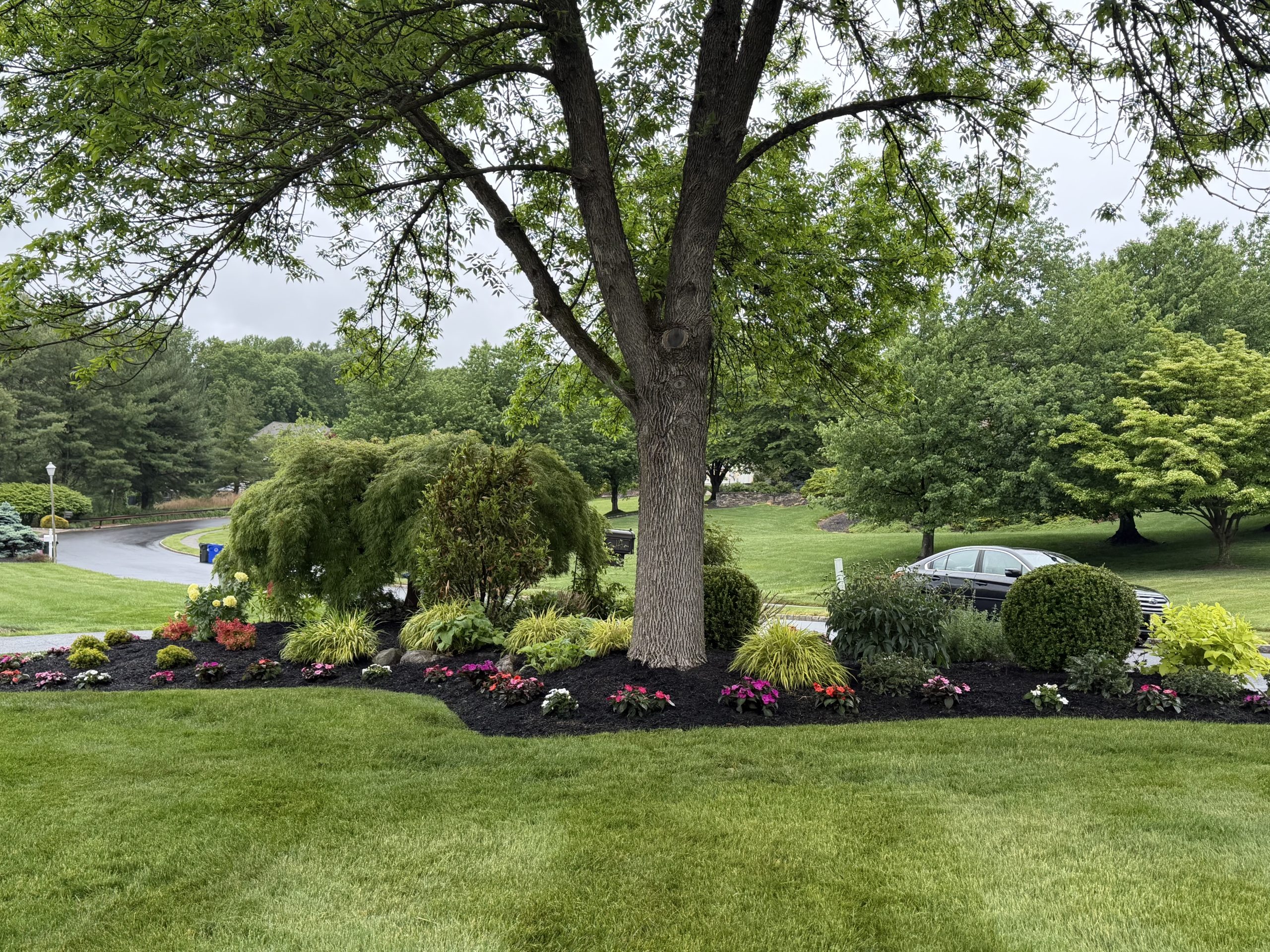


Pollinator habitat is often discussed as if it begins and ends with plant selection. Planting matters, of course, but maintenance is what determines whether a landscape remains useful to bees, butterflies, moths, hoverflies, beetles, and hummingbirds after the ribbon cutting, the first flush of bloom, and the first rough summer. A site can be designed with all the right species and still fail pollinators if it is mowed too hard, sheared at the wrong moment, sprayed on a routine schedule, or cleaned so thoroughly that every stem cavity and patch of bare ground disappears.
That gap between design intent and day-to-day care is where good landscape maintenance earns its keep. The sites that support pollinators year after year are rarely the tidiest ones in the conventional sense. They are the ones managed with timing, restraint, and an eye for life cycles. They look cared for, but not sterilized. They offer nectar and pollen, certainly, but also nesting places, shelter from weather, host plants for caterpillars, and enough seasonal continuity that an insect emerging in April or September finds something useful.
In practice, supporting pollinators through maintenance means making dozens of small decisions differently. It means asking not only what looks neat this week, but what consequences that action will have six weeks from now, or next spring. It also means accepting trade-offs. Public-facing properties still need to appear intentional. Athletic fields still need safety and function. Commercial sites still need clear entries and sightlines. The goal is not to stop maintaining landscapes. The goal is to maintain them with more ecological intelligence.
Why maintenance decisions matter more than many crews realize
Pollinators use landscapes in ways that are easy to miss if you are only scanning for flowers. A native bee may nest in a pithy stem left standing through winter. A bumble bee queen may shelter in duff at the edge of a bed. Specialist bees may time their emergence to coincide with a short bloom window from one plant genus. A skipper butterfly larva may spend much of its life hidden in a grass blade shelter that looks insignificant to a maintenance crew trying to “clean up” edges.
Routine practices can break these relationships quickly. A single broad-spectrum insecticide application during bloom can reduce active foraging in a site immediately. Hard cutbacks in late fall can remove overwintering habitat for next year’s adults. Converting every open soil pocket to mulch can eliminate nesting opportunities for ground-nesting bees, which make up a large share of native bee species in many regions. Even irrigation patterns play a role. Constantly damp mulch against crowns and stems can degrade the kind of dry, protected structure many insects use.
The reverse is also true. Small adjustments often produce visible results within a season. On one mixed-use property I visited after a maintenance contract changed hands, the plant palette was not the problem. The issue was that every perennial bed was cut to the ground in November, every weed was treated on sight, and every rough edge was smoothed over with fresh hardwood mulch. By the second year of a gentler program, which mainly changed timing and reduced unnecessary disturbance, the site had noticeably more bee activity, more late-season butterflies, and fewer irrigation-related plant losses. The design had not changed much. The management had.
Rethinking neatness without losing professionalism
Many property managers worry that pollinator-supportive maintenance will make a landscape look neglected. That concern is understandable, especially in corporate, municipal, hospitality, and healthcare settings where appearance carries real weight. The answer is not to let everything sprawl. It is to signal care strategically.
Crisp bed edges, mown paths, pruned sight triangles, and well-maintained entries do a surprising amount of visual work. They frame wilder planting areas and tell visitors that the looser look is intentional. A stand of asters left standing through winter reads very differently when the adjacent walk edge is sharp and the nearby sign is clean. The same principle applies to meadows, bioswales, and utility strips. A mown border around a naturalized area can be worth more aesthetically than hours of unnecessary cleanup inside it.
This is one of the most useful lessons in pollinator-supportive Landscape Maintenance. You do not need to make every square foot function the same way. High-visibility zones can remain tighter and more formal. Secondary spaces, perimeter beds, detention edges, and transitional areas can carry more habitat value. The best programs usually create a spectrum rather than a single rule.
Mowing with life cycles in mind
Mowing is one of the most consequential maintenance actions in any landscape because it changes structure instantly. It removes flowers, shelter, and nesting cover in a single pass. Yet mowing is also necessary for access, safety, weed suppression in some settings, and appearance. The key is not whether to mow, but where, how often, and at what height.
Short, frequent mowing across an entire property leaves very little habitat. By contrast, a mosaic approach preserves function while keeping the site readable. Lawn areas intended for active use can still be maintained conventionally. The problem usually lies in mowing low-value areas, such as fence lines, pond margins, drainage shoulders, utility easements, and back-of-bed strips, with the same frequency and intensity as front lawns.
Reducing mowing frequency in selected zones often allows clover, self-heal, violets, and other low-growing bloomers to flower longer. In larger naturalized sections, rotational mowing can prevent woody encroachment without wiping out habitat all at once. Timing matters here. Mowing an entire meadow during peak nesting or bloom can be far more disruptive than mowing part of it after seed set and leaving refuges standing.
Height matters too. Scalping turf stresses grasses, opens space for opportunistic weeds, and removes incidental bloom that many pollinators use. Higher mowing heights in lawn areas generally support better turf health and reduce irrigation stress. That is good maintenance on its own merits, and it can also reduce the need for interventions that conflict with habitat goals.
The hidden value of stems, leaf litter, and bare ground
Pollinator-friendly landscapes are often undone by excessive cleanup. Crews are trained to remove dead material, blow out every leaf, and top up mulch until beds look uniformly finished. For many insects, though, those “untidy” materials are the habitat.
Standing stems are a clear example. Hollow or pithy stems from plants such as coneflower, raspberry, elderberry, joe-pye weed, bee balm, and many others can serve as nesting sites or overwintering refuges. If these stems are cut too low and removed in fall, that habitat is gone. In colder climates, delaying cutback until temperatures are consistently warm gives many overwintering insects a chance to emerge. Even then, cutting stems to varying heights instead of flush to the ground leaves more usable material behind.
Leaf litter deserves similar respect. A light layer under shrubs and in perennial beds moderates soil temperature, suppresses weeds, and shelters insects. Not every leaf belongs where it falls. Thick mats on turf can smother grass, and wet piles against building edges create their own problems. But blowing every leaf out of every bed and hauling it away strips out one of the simplest forms of habitat the landscape can provide.
Bare ground is often overlooked entirely. Many native bees nest in soil, preferring sunny, well-drained patches with sparse vegetation. A landscape that is fully mulched, fully planted, or covered in weed fabric leaves few options. That does not mean exposing large raw areas everywhere. It means recognizing that a few small, protected patches of open soil in the right conditions are not defects. They are functional habitat.
Pruning and deadheading without erasing food sources
Pruning is usually framed around appearance, plant health, clearance, and bloom management. Those are all legitimate concerns. The complication is that flowers are not just ornamental structures. They are forage, and in some cases seed heads become winter food and shelter.
Frequent shearing is one of the worst habits for pollinator value, especially with shrubs and perennials chosen for bloom. Formal shearing often removes flower buds before they open or cuts off fresh nectar sources as soon as they begin producing. It also creates dense outer shells with less interior diversity. Plants may still survive, but they become much less useful ecologically.
Selective pruning is almost always better. It preserves natural form, protects bloom cycles, and reduces repetitive labor. The same goes for deadheading. In highly visible planters and https://www.google.com/maps?cid=10803558482475237858 entry beds, deadheading may be justified to extend bloom or improve presentation. Across broader landscapes, it should be done with purpose rather than reflex. Removing spent flowers on some species encourages rebloom. On others, it eliminates seed for birds and structure for overwintering insects with little visual benefit in return.
A practical middle ground works well on many sites. Keep front-door displays, event spaces, and high-profile annual beds more intensively groomed. In mixed perennial areas, deadhead selectively and leave later seed heads standing unless they are causing a specific problem.
Pesticides, herbicides, and the cost of routine application
No serious maintenance discussion can avoid pesticides. Pollinator-supportive care does not require pretending that pests never matter. Some landscapes face genuine infestations that threaten plant survival, public safety, or regulatory compliance. The problem is routine, prophylactic application, especially during bloom or on a calendar schedule disconnected from actual thresholds.
Broad-spectrum insecticides are blunt tools. Even when used for legitimate targets, they can affect non-target insects through direct contact, drift, or residues in pollen and nectar. This is one reason integrated pest management, when practiced seriously rather than used as a slogan, is so valuable. Monitoring, accurate identification, action thresholds, and targeted response reduce unnecessary exposure.
Herbicides present a different but related issue. Weed control is often important, but blanket removal of all non-planted flowering species can create seasonal forage gaps. A dandelion in a formal entry bed may be unacceptable. The same plant in a low-use back slope during an early spring forage gap is a different conversation. Judgment matters. So does application method. Spot treatment is preferable to broadcast spraying in most ornamental settings where habitat value is part of the goal.
A few working rules consistently help:
- Avoid insecticide applications during bloom whenever possible.
- Treat only verified problems, not assumptions.
- Use the most targeted product and method that will work.
- Coordinate spray timing with maintenance teams so flowering weeds are not accidentally left attractive and then treated.
- Keep records that link pest pressure, treatment timing, and observed results.
Those records become especially useful after two or three seasons. They often reveal how many applications were habitual rather than necessary.
Irrigation, fertility, and plant vigor
Pollinator support is often strongest where plant health is stable and bloom is sustained across the season. Maintenance practices that keep plants in chronic stress or push lush, weak growth can reduce both visual quality and ecological function.
Overirrigation is common in ornamental landscapes. It encourages shallow roots, disease pressure, and floppy growth that needs more correction later. It can also reduce the suitability of soils for ground nesters in adjacent beds. Deep, infrequent watering, adjusted to plant type and soil conditions, usually produces sturdier plants and fewer management headaches. Newly installed sites are the exception, since establishment watering is a different phase and needs closer attention.
Fertilization deserves restraint too. High nitrogen programs can create excessive vegetative growth at the expense of flowering in some species, while also increasing mowing demand in turf. Many native and adapted plants perform better with modest inputs than with rich, constantly amended conditions. Good Landscape Maintenance is not about adding more of everything. It is about giving plants what they need, not what a generic schedule prescribes.
Seasonal timing separates helpful cleanup from harmful cleanup
Most conflicts between maintenance and pollinators come down to timing. The same action can be benign in one month and destructive in another. That is why calendar-based cleanup without regard to weather or local phenology often misses the mark.
Spring is the season when well-meaning crews do a lot of accidental damage. Warm days may bring pressure to cut everything back at once, clear leaves from every bed, and refresh all mulch before site inspections begin. But many insects are still inside stems, under litter, or only beginning to emerge. Waiting a little longer, especially after a run of consistently mild temperatures, can make a real difference. The exact timing varies by region and season, so rigid dates are less useful than observation.
Summer maintenance should focus on preserving bloom continuity, managing weeds before they seed aggressively, and keeping irrigation aligned with weather rather than habit. This is also when unnecessary spraying does the most obvious harm, because pollinator activity is so visible.
Fall tends to trigger the opposite impulse, a push to make everything look finished before winter. Yet late blooms such as asters, goldenrods, sedums, and certain salvias are among the most valuable nectar sources of the year. Cutting them early for tidiness removes food precisely when many insects need it most. Winter then becomes the season when structure matters. Seed heads, stems, and sheltered ground offer protection during a harsh period when the landscape can look dormant but still function ecologically.
Working with crews, clients, and public expectations
Even the best maintenance plan fails if the people carrying it out do not understand why certain areas are managed differently. Training matters, but it does not need to be elaborate. Crews need clear instructions about which beds are left standing, which weeds are tolerated in certain zones, where bare ground should remain undisturbed, and which shrubs should never be sheared during bud set.
Clients and property users also need cues. A small interpretive sign, a note in the maintenance scope, or a manager who can explain why stems remain through winter can prevent complaints from undoing good practice. On public properties, communication is often the difference between a habitat feature and a “maintenance issue” that gets corrected.
The most successful sites I have seen share one trait. Their pollinator goals are translated into ordinary operations language. Not lofty sustainability language, but plain instructions: delay cutback in these beds, mow this strip monthly not weekly, no spray during bloom, leave ten percent open soil on this south-facing bank, prune these shrubs after flowering rather than before. Habitat improves when intentions become habits.
A practical framework for better decisions
Not every property has the budget or staffing to redesign its full maintenance program immediately. That is fine. Meaningful improvement usually starts with a handful of manageable changes applied consistently.
Consider this short framework when reviewing a site:
- Identify where habitat value can be increased without affecting safety or core use.
- Adjust timing first, because delayed cutback and reduced mowing often deliver the fastest gains.
- Reduce unnecessary disturbance, especially blanket cleanup, shearing, and routine spraying.
- Preserve structural diversity, including stems, litter, bloom succession, and a little open soil.
- Track what changes, then refine based on observation rather than assumption.
This kind of framework keeps the work grounded. It also prevents the common mistake of trying to make every part of a property equally habitat-rich, which is rarely necessary or practical.
Where trade-offs are real
Supporting pollinators through maintenance is not a purity test. There are legitimate cases where habitat goals must bend. School grounds need visibility and safe circulation. Some healthcare campuses prefer low-allergen plantings near entrances. Fire-prone regions may need stricter vegetation management around structures. Certain invasive species require assertive control because allowing them to bloom would create larger ecological harm. Wet years can force disease management choices that would not be necessary in drier seasons.
What matters is how those trade-offs are made. A disciplined program looks for the narrowest intervention that solves the problem. If one bed must be cut hard for safety, perhaps another can remain standing. If one pest outbreak requires treatment, perhaps bloom can be removed first from the affected area and adjacent untreated forage preserved elsewhere. The point is not perfection. It is better judgment.
Landscapes that function after the install
The biggest shift in this field is moving from decorative habitat to operational habitat. It is easy to install a pollinator garden. It is harder to keep it useful through years of contracts, staffing changes, weather swings, and pressure for visual uniformity. That is where maintenance practices matter most.
A landscape that supports pollinators is usually one that has been observed closely. Someone noticed when the bees were active, which flowers drew the most traffic, where the queen bumble bees were entering the ground, which areas stayed too wet, and which cleanup routines erased more value than they added. Those observations shape better schedules, better scopes, and better crews.
Pollinator-friendly Landscape Maintenance is not a niche add-on. It is simply good stewardship carried out with more awareness of how living systems work. When mowing patterns, pruning decisions, irrigation schedules, cleanup routines, and pest management all align with that awareness, landscapes do more than look good. They become places that feed, shelter, and sustain life across seasons, which is a far higher standard of care than neatness alone.
Majestic Mowing & Landscaping LLC
Phone number: +19733975532
FAQ About Landscape Maintenance
What is landscape maintenance?
Landscape maintenance is the ongoing care, cleaning, and upkeep of outdoor green spaces to keep them healthy, safe, and attractive.
Is $100 an hour too much for landscape work?
An hourly rate of $100 is not too much for specialized or professional landscape work, though it sits at the higher end of the standard pricing spectrum.
How much do landscapers charge for maintenance?
For professional landscaping maintenance, homeowners typically pay $100 to $410 per month for recurring services, or an hourly labor rate of $50 to $100 per hour per crew member.